
What Heat Actually Does
March 2026 · Théo Marchand
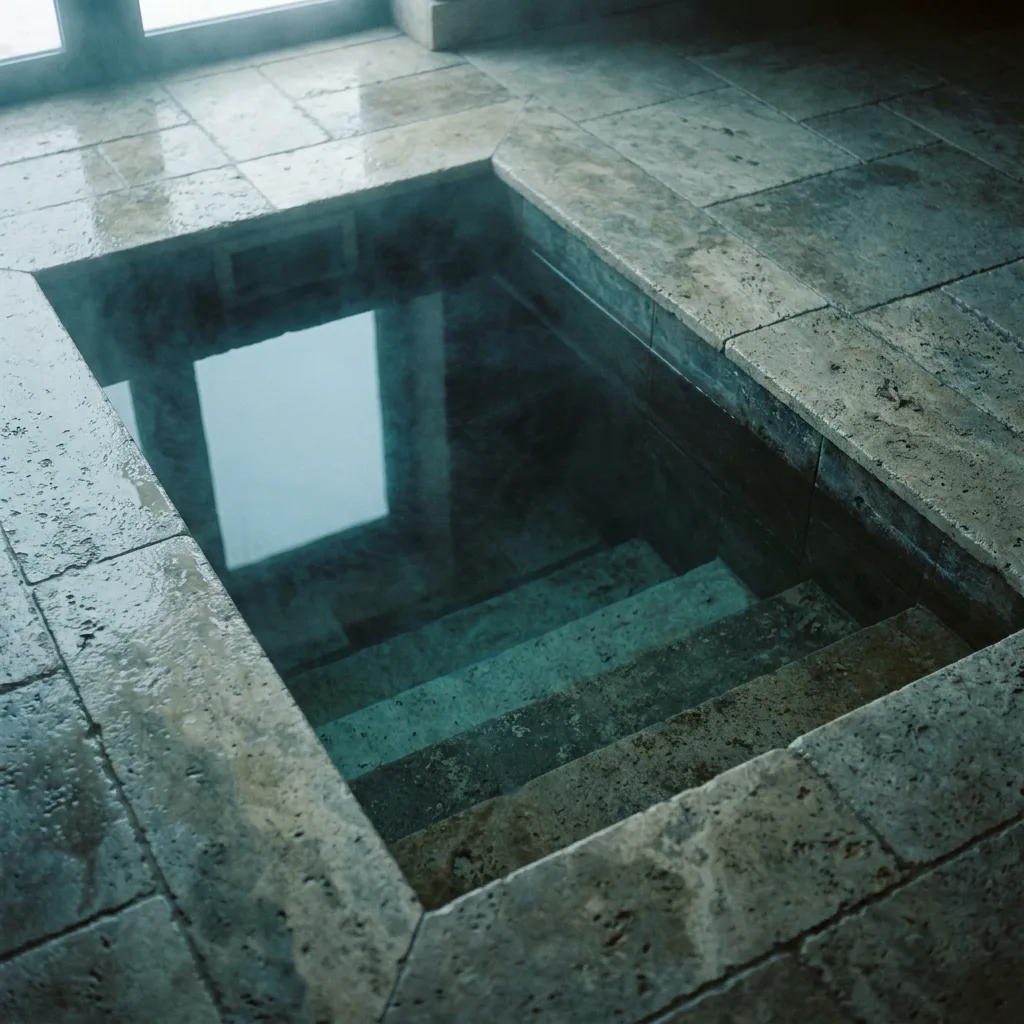
People arrive at the cold well with a theory, and the theory is usually about toxins. It is worth setting that aside, not because heat and cold do nothing, but because what they actually do is more useful to know than the folk version.
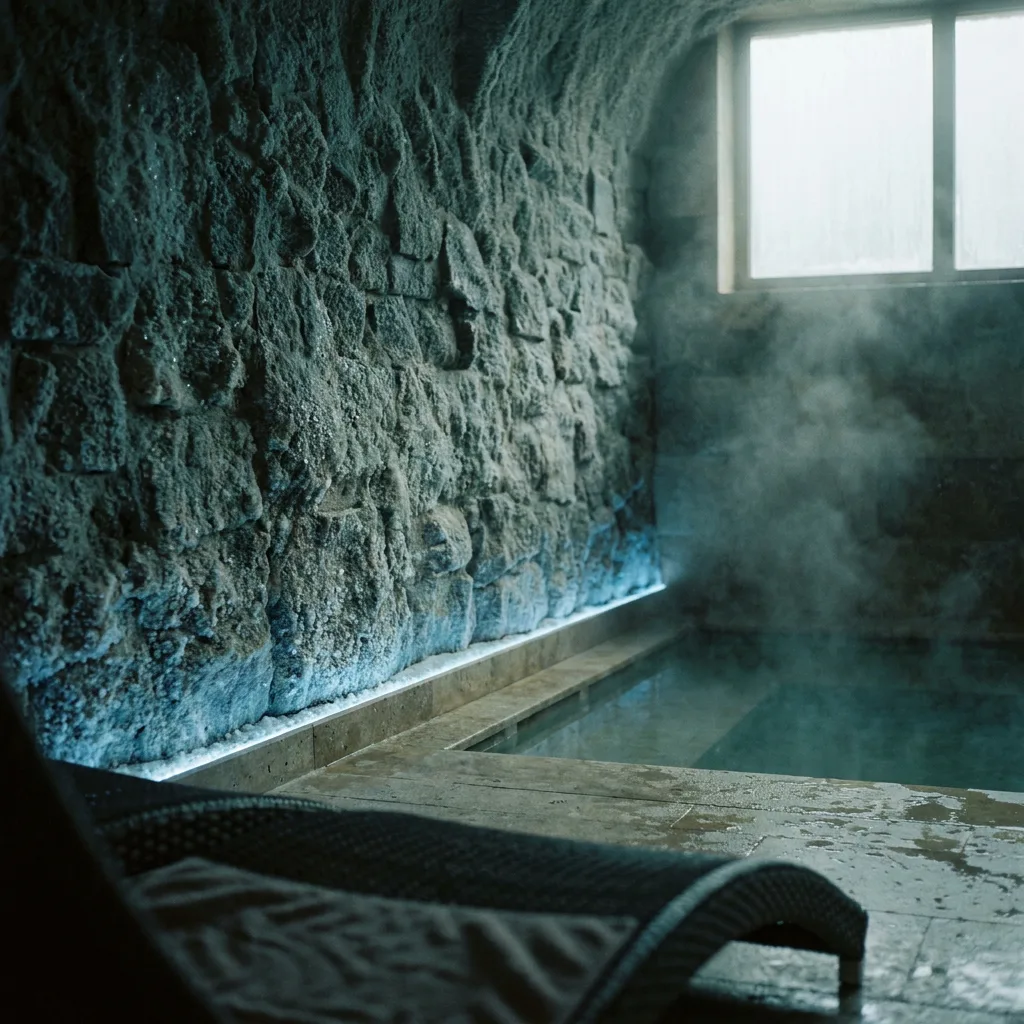
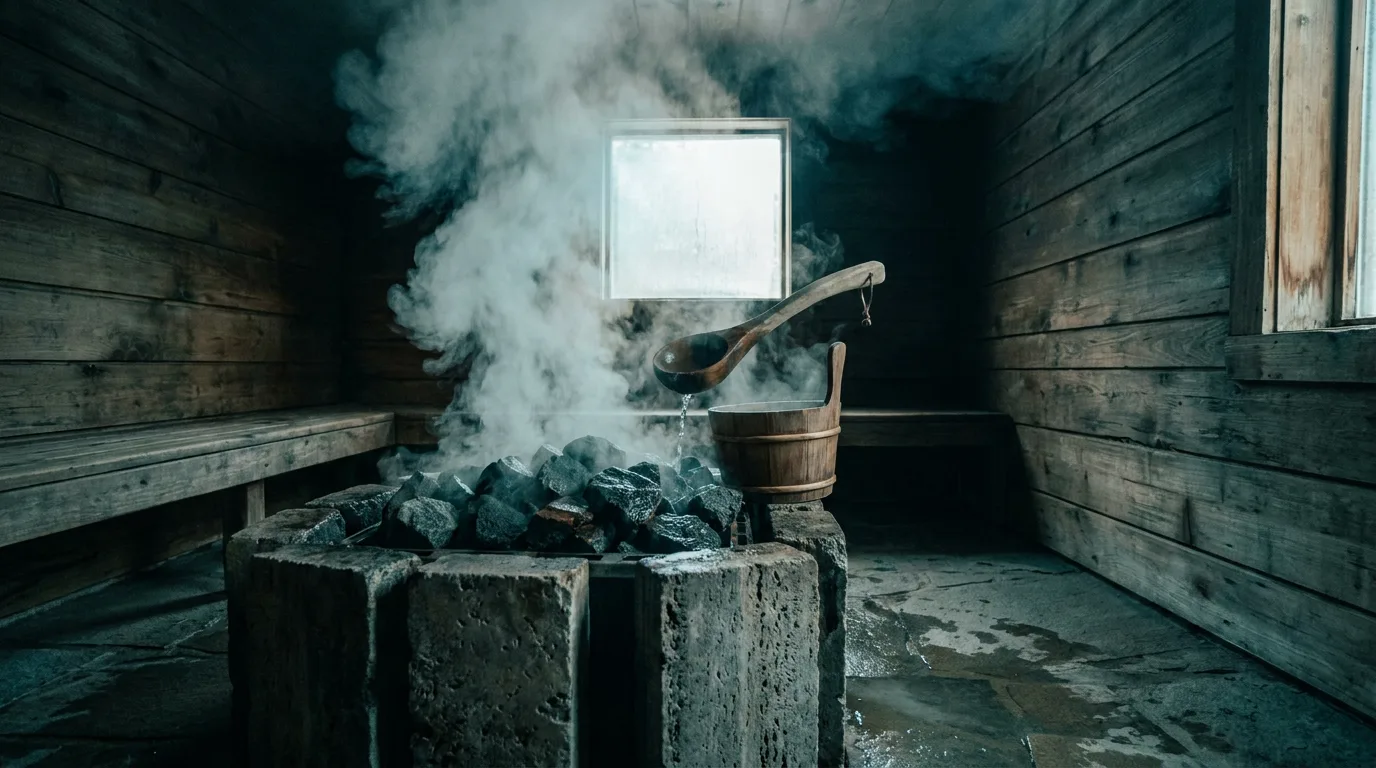
Heat raises your core temperature by a degree or so. Your body treats that as a mild stress and responds the way it responds to mild stress: blood moves outward toward the skin, your heart rate climbs to something like a brisk walk, and you sweat. The sweating is a cooling mechanism, not an excretory one. It is very good at the job it actually has.
The interesting part is what the body does afterwards. A repeated, survivable stress followed by recovery is the same signal that training gives, and the adaptations overlap: better vascular response, a calmer resting heart rate, and — the one most people notice first — a change in how quickly you settle after being startled. This is why the circuit’s benefit compounds with regularity and largely disappears when you stop.
Cold does something narrower and sharper. The gasp when you enter the well is involuntary, and the entire practice is learning to let it pass without fighting it. That skill is not really about cold water. It is about noticing an alarm response and declining to escalate it, and it transfers out of the building more than any other thing we teach here.
A few practical consequences follow. Rounds should be short enough that you would happily do another — the fourth exhausted round adds nothing the second one did not. The rest between rounds is not a break in the treatment, it is where the adaptation is registered, so sitting down properly matters. And finishing warm rather than cold leaves the vascular system relaxed instead of clamped, which is the difference between sleeping well that night and lying awake feeling wired.
None of this requires belief. Come three times in a fortnight and pay attention to how quickly your breathing settles in the well on the third visit compared to the first. That number is the whole argument.
Read Next.
ALL NOTES- The House
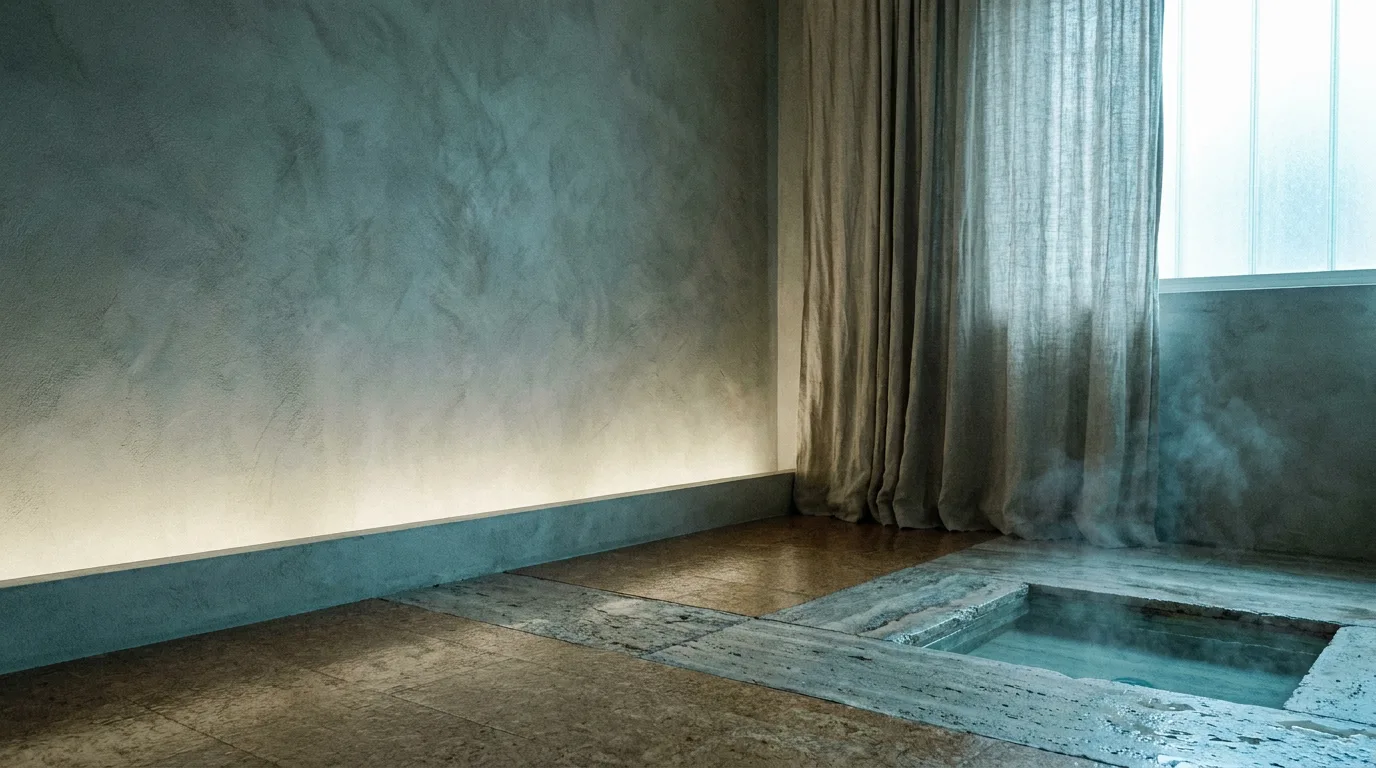
A Room Built For Slowness
Every material decision in the treatment rooms was made against one test: does this make it easier to stop moving?
- The Practice
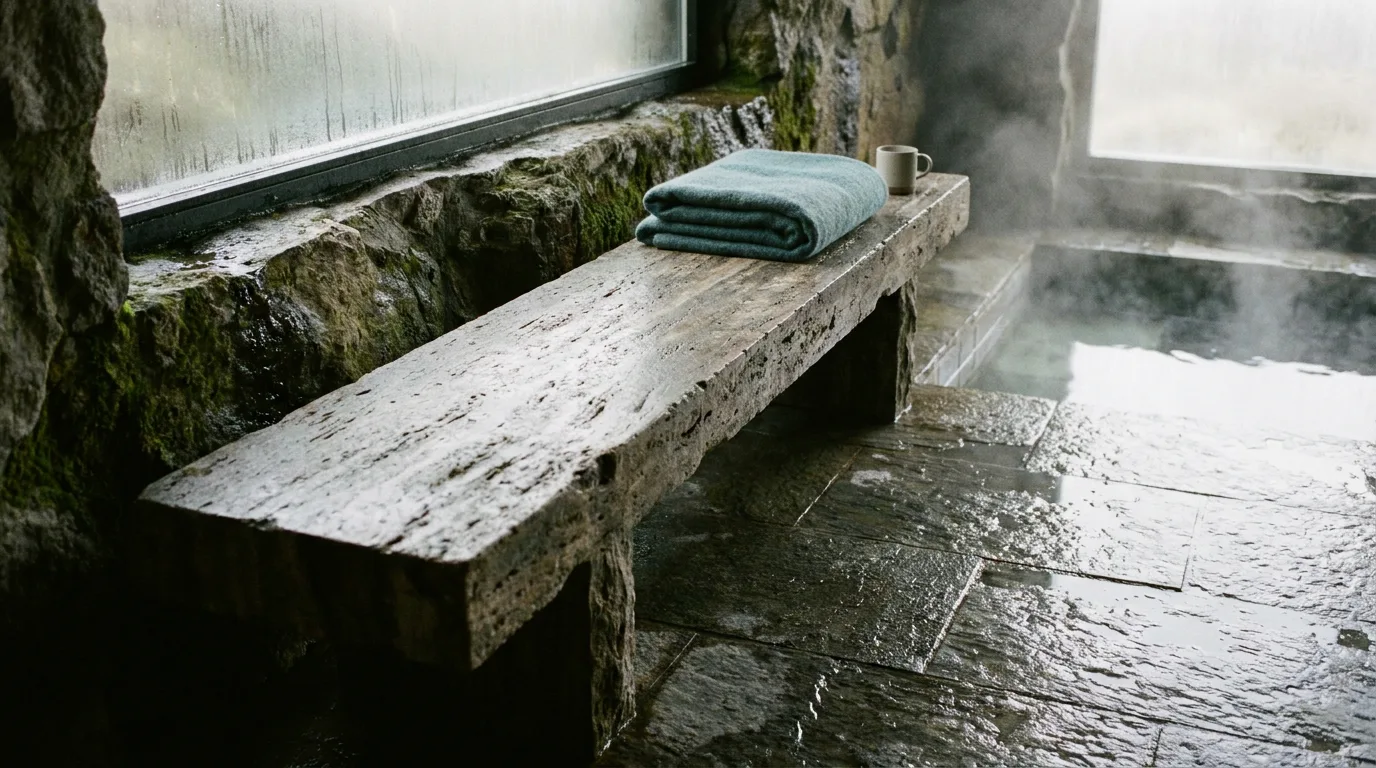
The Case For Doing Nothing After
The twenty minutes after a treatment are not a courtesy we extend. They are part of the treatment, and skipping them costs you most of it.
The Rest Of It Only Makes Sense In The Room.
Book a Treatment